


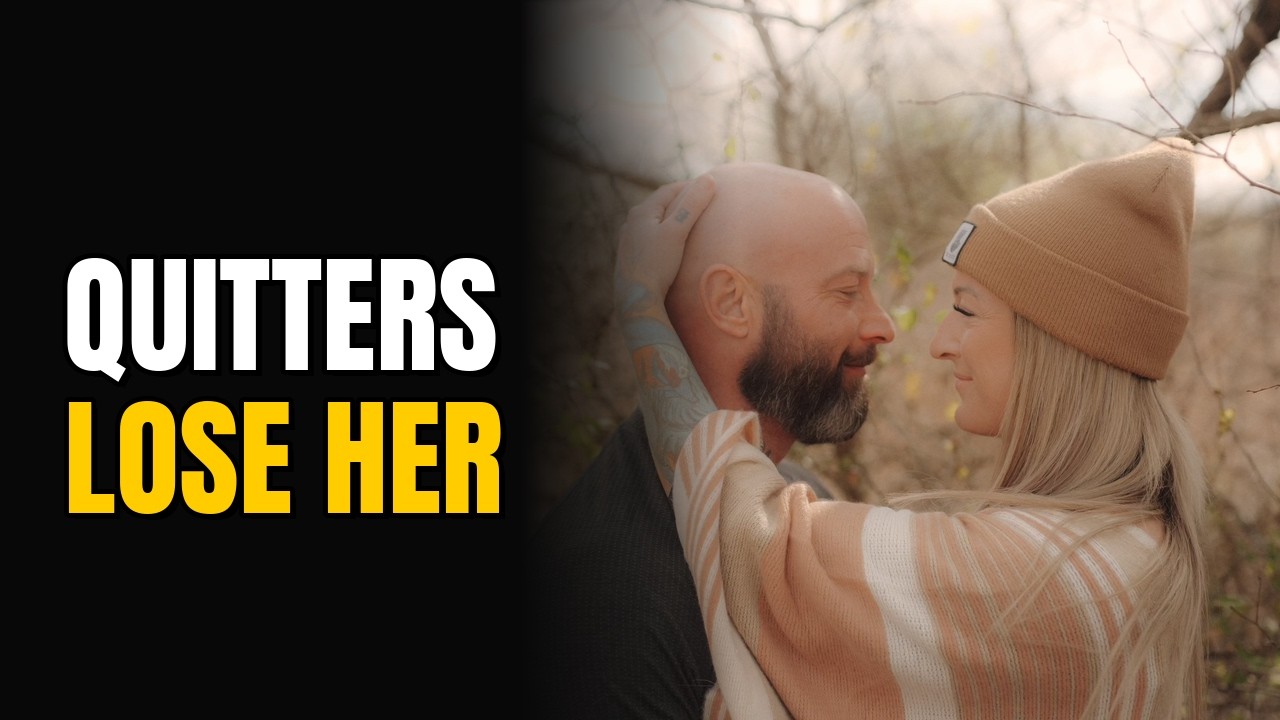

You started changing. You read the book, you stopped the behavior, you tried to show up differently. And your marriage still isn’t saving. I was recording my audiobook this week and landed on a chapter about why men fail, so I want to make it a why people fail conversation first. Most marriages don’t fail because of the problem. They fail because one of us changed for the wrong reason, quit when it didn’t work fast enough, or never learned to repair after a fight.
Why Aren’t My Changes Saving My Marriage? Start With the Delivery
The first reason people fail is they don’t ask the right question before they get help. The question is: what’s the delivery?
A man in my program had spent $6,500 on another coach. That program ran over email, with a three day minimum for a response. When he reached out to us, his wife had just served him divorce papers. He was waiting three days by email to find out what to do with that.
Marriage runs on conversation, and email has no tone. Some of you need to stop texting. Miles of text messages, no tone, no interaction. Once he was working with us live, he and his wife started dating again within a couple of weeks. It wasn’t perfect, but he was interacting in a way where he could actually implement.
Therapy has the same problem. I went for 14 years and never wrote anything down. If all you get is someone speaking at you, you leave with nothing tangible to implement. I cover the difference in marriage coaching versus counseling, and why therapy alone often doesn’t move the needle.
Changing for Her Is Changing Out of Fear
The second reason is who you changed for. If you did it for her, you will quit the moment you don’t get the outcome you wanted.
I know because I did it with my anger. I changed because it was court-mandated. I changed because Kathryn told me that if I wasn’t angry she would be happy, she would love me, she would want me. That last one meant sex. The anger did get better. It was longer between outbursts and I stopped trashing the house. But I was changing out of fear, the same fear she had, and I was changing so my wife would want me.
You will fail if you don’t want off your own roller coaster. Kathryn calls it the crazy train. Her point is that if you only want off because you’re afraid of losing your spouse, good luck changing for real. What worked for me was noticing I liked joy. I asked how to create more opportunities for something that feels good instead of bad, and I stopped sabotaging myself. It got easier and easier until now I rarely get very angry. This is also what a covert contract looks like from the inside: you change, and a hidden expectation of what you’ll get back rides along with it.
You Make a Mistake and Slide Back
Third, even when you change for yourself, things start to feel like they’re moving the right direction, and then you make a mistake. The weight of the world comes down on you, and you go right back to your old behaviors. The outcome you wanted was still hiding in there, and you didn’t realize it.
My fix is simple. It doesn’t depend on your partner’s reaction. It depends on how you continue to show up. So keep going.
This is common. Around 50 to 60 percent of our coaching calls come from people who just made a mistake and need to repair it. Many of you fail because you study conversation instead of learning how to repair the actual problem. If you want the longer version of this idea, read she didn’t change, you stopped becoming.
Rupture, Repair, Reset
This is Kathryn’s framework, and I love it.
Kathryn says there will always be ruptures. She and I get into a fight maybe once or twice a year, and she says it’s both our faults because we’re fiery people. The repair is how fast we come back. We don’t fight all night anymore. We’re fine the same day, usually within minutes.
Then comes the reset. Kathryn describes it as going back to baseline, where you aren’t holding on to bitterness or stewing over what your husband said even though you already repaired it. Some of you say “Yes, I forgive you, let’s move forward” while inside you’re thinking “I can’t believe he said that to me.” That is not a reset. She calls it a facade, not a repair. After the repair, you forgive your husband and you forgive yourself, or you’re still living in the fight.
Find the Real Issue, and Stop Taking It Personally
Last night Kathryn was short with the kids and short with me. I asked one quick question and we had a good conversation. About three minutes. Today she had a wonderful day.
Kathryn points out that her frustration had to do with her life, not with me, so the repair was solving the problem. If I had taken it personally and gotten upset, that could have caused an altercation. She adds that if you can’t reset on your own, you literally can’t repair for your marriage, and because one or both of you take it personally, it spirals and you stay in a state of rupture.
So the real problem usually isn’t the issues you think are in your marriage. It’s that you don’t know how to repair. Identify the real issue, not the symptom, and then you can repair. If you want help doing that with someone live, marriage coaching is built around exactly this kind of delivery.
Frequently Asked Questions
What should I ask before I pay for marriage help?
Ask what the delivery is. If you can’t get tone, live conversation, and something tangible to implement, it’s hard to change behavior. Write it down before you hire anyone.
Why do I slip back into old behavior after one mistake?
Usually the outcome you wanted is still attached, even if you don’t realize it. A mistake feels like the weight of the world, so you retreat. Keep showing up the way you decided to, whatever she does.
What is a repair without a reset?
Kathryn calls it a facade. You say you forgive him and move on, but inside you’re still stewing. A reset means you return to baseline and let go of the bitterness.
How fast should a couple recover from a fight?
Kathryn and I used to have fights that lasted all night. Now our turnaround is minutes, and we’re fine the same day.
Should I set a boundary when I’m hurt and angry?
Not from that emotional place. In the next episode I talk about boundaries, because I see people using them far too fast, often in the middle of sadness, anger or anxiety. That is the opposite of a reset.
Change for yourself, repair fast, and reset.
Prefer Morrow Marriage in Google
Ready to Save Your Marriage?
Pick the path that fits where you are. The work starts here — with or without your spouse.
Related Articles
Can God Save Your Marriage? Why Praying and Waiting Slows You Down
Can God save your marriage? Cass Morrow on his road from atheist to believer, the man who turned down three boats, and why prayer without action keeps you stuck.
By Cass Morrow
My Wife Is Tired of Carrying the Marriage: Why She Can't Carry You Anymore
Your wife is tired of carrying the marriage because she has been carrying you. Cass Morrow on the covert contract, the self-worth problem under it, and what to stop doing.
By Cass Morrow
When to Talk to Your Kids About Sex, Money and Marriage
You want to protect your kids, so you avoid the hard topics. Cass and Kathryn Morrow on why silence backfires and how to start the conversations early, together and honestly.
By Cass Morrow