



Before you book the therapist
Sexless Marriage Therapy: What It Fixes, What It Can't, and the Alternative
Therapy treats what's clinical. Coaching changes what's behavioral. Most sexless marriages aren't clinical. They're a pressure-and-resentment dynamic two healthy people built by accident. Here's the honest breakdown of both options, including when we'd send you to a therapist instead of taking your application.
Why you're searching for a sexless marriage therapist
Something finally snapped. Another month, another polite rejection. Or another night lying next to someone who feels a thousand miles away. So you did what responsible people do. You started looking for a professional.
Before you spend a year and five figures, hear this: whether therapy helps depends entirely on what killed the intimacy. Get that diagnosis wrong and you'll spend months talking about your childhood while your marriage keeps starving.
When a therapist is the right call
Go to a licensed clinician, and tell them everything, if any of these are true:
- There's abuse of any kind in the marriage. Coaching is the wrong tool. Safety first.
- Either spouse carries unresolved trauma, including sexual trauma.
- There's a mental-health condition in play. Depression, severe anxiety, addiction.
- Desire collapsed after a medical change. Medication, surgery, hormones. Start with a doctor.
That isn't fine print. It's the honest boundary of what coaching should touch, and we turn away applicants who need clinical care first.
Where therapy stalls
Now the other side. The most common sexless marriage looks like this: two functional adults, no clinical condition, who slid from lovers to roommates through years of pressure, scorekeeping, and quiet resentment. For that couple, weekly conversation hits a wall, because insight doesn't rebuild desire. Conditions do. You can understand your pattern perfectly and still brace when your spouse walks in the room.
Then there's the wall almost every reader of this page has already hit: one spouse won't go. Therapy needs two willing people in the room. A sexless marriage usually has one desperate person and one exhausted one.
Therapy vs coaching, side by side
Both have a job. This is how to tell whose job your marriage needs.
| What matters | Couples therapy / counseling | Morrow Marriage coaching |
|---|---|---|
| Built for | Clinical causes: trauma, abuse, mental-health conditions | The dynamic: pressure, resentment, lost safety, roommate drift |
| Method | Weekly sessions, processing the past and the pattern | Daily behavior change with structure and accountability |
| Requires both spouses? | Usually, and stalls when one refuses | No. One spouse can start the shift alone |
| Who leads the work | A licensed clinician (essential for clinical causes) | Cass & Kathryn Morrow, a husband-and-wife team who rebuilt their own marriage |
| Typical cost | $150–$300/session, often 6–18 months | By application. Priced as a program, not a meter running weekly |
| How progress feels | "We understand our pattern better." | "The tension dropped. She's warmer. We feel like a team again." |
| The honest limit | Insight without daily practice rarely restarts desire | Never a substitute for licensed care when the cause is clinical |
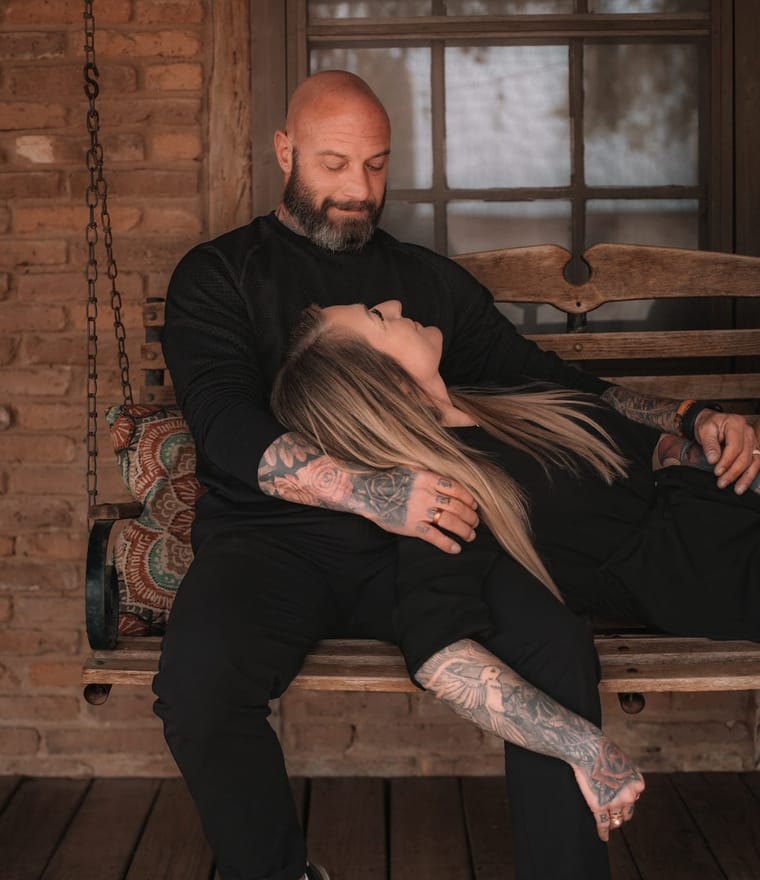
What the coaching looks like
No couch. No fifty-minute hour.
The work is behavioral. Stop the pressure loop completely. Rebuild safety through how you handle the hard moments. Become the steady, leading version of yourself that desire can respond to. It's the sequence from the full guide, coached daily, over months.
It's also selective by design. Cass and Kathryn read every application personally and accept about 23%, because the program only works for people ready to own their side of the dynamic.
I trained in the clinical world and I respect it deeply. Therapy finds the wound. Coaching trains the walk. A stuck marriage usually needs the reps.

Therapy vs coaching. Straight answers.
Does therapy work for a sexless marriage?
It can, when the root cause is trauma, abuse, or a clinical condition. Those belong with a licensed professional. But the most common cause is a pressure-and-resentment dynamic between two otherwise healthy people, and insight alone rarely restarts desire. Couples come to us understanding their pattern perfectly after months of sessions. They are still living in it.
How much does sexless marriage therapy cost?
Typical couples therapy in the US runs $150 to $300 a session, weekly, and commonly continues 6 to 18 months. Call it $4,000 to $20,000, often out of network. Cost is the wrong reason to choose or avoid it. Ask any provider one question: what changes in our daily dynamic, by when, and how will we know?
What's the difference between a sexless marriage therapist and a marriage coach?
A therapist is a licensed clinician who diagnoses and treats. Right tool for trauma, abuse, and mental-health conditions. A coach works the present-day dynamic: the pressure loop, the resentment, the safety failures that killed desire. Therapy asks where the pattern came from. Coaching trains you to run a different pattern, starting this week.
My spouse refuses therapy. What are my options?
This is the most common situation we see, and it's where coaching has a structural edge: it doesn't need both spouses in the room. One person changes the conditions of the marriage. The pressure stops. The steadiness becomes real. The other person responds to a marriage that feels different. You can start alone today. Therapy generally can't offer that.
Can we do both therapy and coaching?
Yes, and sometimes you should. Keep the licensed professional for individual clinical work like trauma, depression, or addiction. Use coaching for the marriage dynamic itself. Different tools. We regularly coach couples where one spouse is also in individual therapy, and the combination works.
Why do you say desire isn't a therapy problem?
Because desire is a response. It responds to safety, respect, and how the hardest moments between you actually feel. Those get built through repeated behavior, which is training, not talk. That's why our program runs on daily practice and accountability instead of a weekly conversation about the week.
Stop analyzing the drought. Rebuild the conditions.
The free training walks through the exact behavior shift that restarts desire, even when one spouse has completely checked out. Watch it before you book anything.