



Rebuilding trust after infidelity is possible. But it requires complete transparency from the unfaithful partner, a genuine decision from the betrayed partner to heal rather than punish, and real outside help. It also takes time — most couples need two to five years before trust feels solid again. Nothing about it is fast.
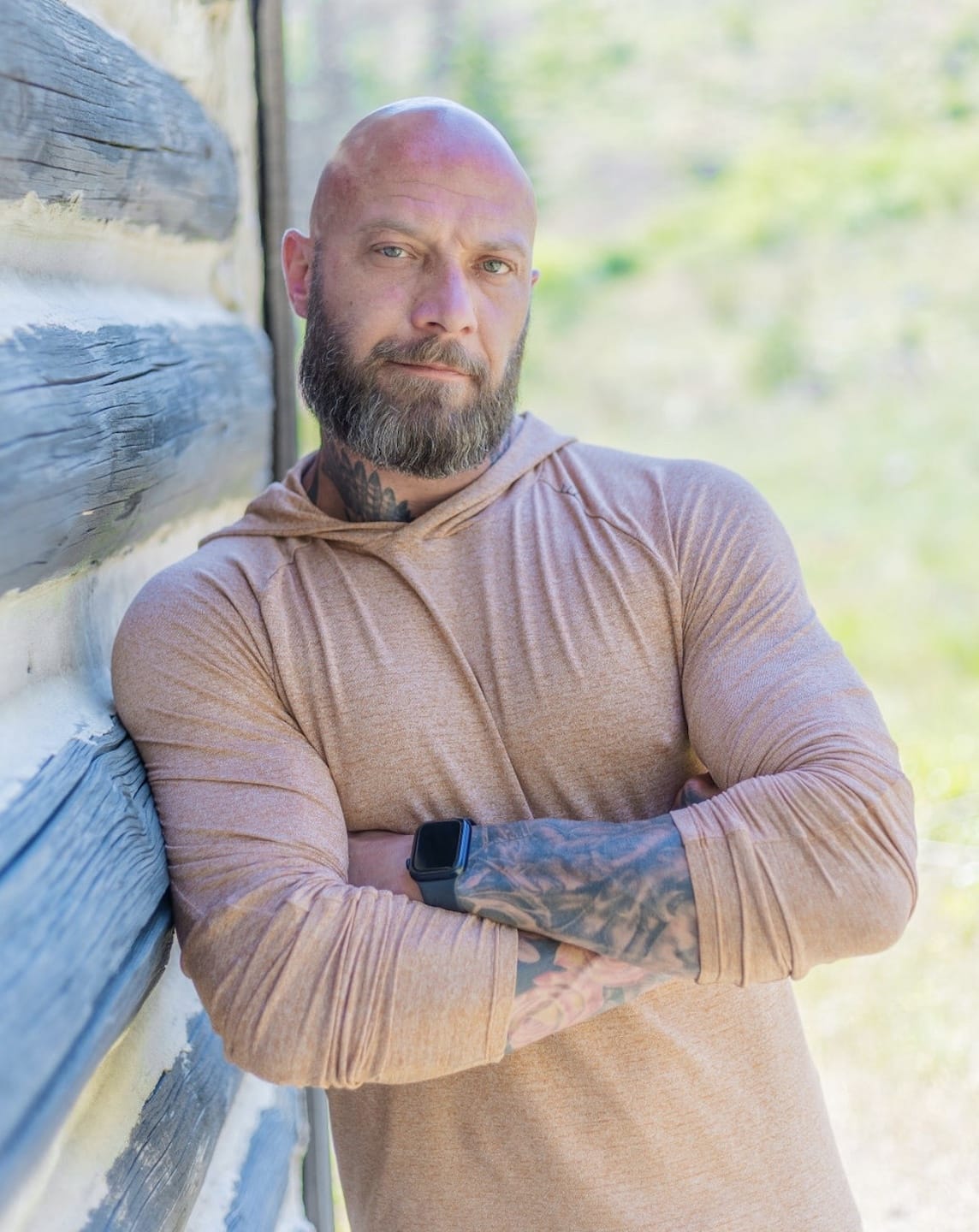
Cass and I navigated infidelity in our marriage. Not a traditional physical affair, but emotional infidelity and betrayals that cut just as deep. I know the devastation from the betrayed side. Cass knows the shame and complexity from the other side. Our marriage survived. But it required a level of honesty and sustained effort that most couples are not prepared for going in.
If you are in the aftermath right now — whether you were betrayed or you did the betraying — this guide covers what actually works, what destroys rebuilding efforts, and how long it realistically takes.
Can a Marriage Survive Infidelity?
Statistics say it’s 50/50.
According to research from the Gottman Institute and other marriage experts:
- About 50% of couples survive infidelity
- The other 50% divorce (often within 1-2 years of discovery)
What separates the couples who make it from those who don’t?
Not love. Not willpower. But:
- The unfaithful partner takes full accountability
- The betrayed partner is willing (eventually) to work toward forgiveness
- Both partners commit to rebuilding—not just surviving
If any of these are missing, the marriage will likely end—slowly or quickly.
Why Affairs Happen (The Uncomfortable Truth)
Before we talk about rebuilding, let’s address the “why.”
Why do people cheat?
The simple answer: They made a selfish choice.
The more complex answer: Affairs usually happen when one or more of these conditions exist:
1. Emotional Disconnection
The marriage has been dead for years. No intimacy, no communication, no connection. One partner seeks that connection elsewhere.
2. Unmet Needs
Maybe it’s sexual needs, emotional validation, adventure, or feeling desired. Instead of addressing it in the marriage, they seek it outside.
3. Opportunity and Rationalization
The opportunity presents itself (coworker, ex, online connection). They rationalize: “My spouse doesn’t appreciate me anyway.”
4. Narcissism or Entitlement
Some people cheat because they believe they deserve it. Rules don’t apply to them.
5. Revenge
“They cheated first” or “They hurt me, so I’ll hurt them back.”
6. Escapism
Life is stressful. The marriage is hard. The affair is an escape from reality.
None of these are excuses. They’re explanations. Understanding why helps with healing—but it doesn’t justify the betrayal.
The Two Phases of Infidelity Recovery
Recovering from infidelity happens in two phases:
Phase 1: Crisis and Damage Control (Weeks 1-12)
This is the immediate aftermath. Raw pain. Emotional chaos. The betrayed partner needs answers, transparency, and safety.
The focus: Stop the bleeding. Create safety. Contain the damage.
Phase 2: Rebuilding (Months 3-24+)
This is the long game. Slowly, painfully rebuilding trust, intimacy, and the marriage itself.
The focus: Healing, understanding, and creating a new, stronger marriage.
Most couples get stuck in Phase 1. They can’t move past the crisis. That’s why therapy and coaching are critical.
Step-by-Step: How to Rebuild Trust After Infidelity
Here’s what actually works.
Step 1: End the Affair Completely (Unfaithful Partner)
This seems obvious, but it’s where many couples fail.
Complete and total cutoff means:
- No contact with the affair partner (block number, email, social media)
- Change jobs if necessary
- No “closure” conversations
- Full transparency about any unavoidable contact (same workplace, co-parenting, etc.)
Half-measures don’t work. “We’re just friends now” is unacceptable. Your betrayed spouse cannot heal while the threat is still present.
If you’re not willing to completely cut ties with the affair partner, you’re not ready to rebuild your marriage. Let your spouse go.
Step 2: Full Disclosure (Unfaithful Partner)
The betrayed partner needs the truth—all of it.
Full disclosure includes:
- When it started and ended
- How often (physical or emotional contact)
- What happened (details they need, not graphic details that torture)
- Why it happened (no blame-shifting—own your part)
Do NOT:
- Trickle truth (revealing details slowly over months—this retraumatizes)
- Minimize (“It didn’t mean anything”)
- Blame the betrayed partner (“You weren’t meeting my needs”)
- Lie to protect their feelings
One chance to tell the truth. If they find out later that you lied or hid details, trust is destroyed again—and it’s often the final blow.
Step 3: Take Full Accountability (Unfaithful Partner)
This is the hardest step.
Full accountability means:
- “I made a terrible choice. I hurt you. This is my fault.”
- No “but you…” or “if only you had…”
- No defensiveness
- Accepting that your spouse will be angry, hurt, and mistrusting for a long time
Your feelings matter, but right now, your betrayed spouse’s pain takes priority.
Step 4: Answer All Questions (Unfaithful Partner)
Your spouse will ask the same questions over and over:
- “How could you do this?”
- “Did you love them?”
- “Was I not enough?”
Answer them. Every time. With patience.
This is part of their healing process. They’re trying to make sense of something senseless.
Step 5: Offer Complete Transparency (Unfaithful Partner)
If you want trust back, you surrender privacy—for now.
Full transparency includes:
- Open phone (no passwords, or shared passwords)
- Open email and social media
- Location sharing
- Full disclosure of where you are and who you’re with
“I deserve privacy” doesn’t apply here. You gave up that right when you had an affair.
Over time (1-2 years), as trust rebuilds, your spouse may give back some privacy. But in the early stages, radical transparency is non-negotiable.
Step 6: Validate Your Spouse’s Pain (Unfaithful Partner)
Your spouse is going to be a mess. Anger. Crying. Intrusive thoughts. Triggers.
Your job is to validate, not defend.
Say:
- “I know I hurt you.”
- “Your pain is my fault.”
- “I’m so sorry.”
Don’t say:
- “You need to move on.”
- “How long are you going to punish me?”
- “I said I’m sorry—what more do you want?”
Healing takes years, not weeks. Be patient.
Step 7: Allow Emotional Reactions (Betrayed Partner)
If you’re the betrayed partner, you need to feel what you feel.
Anger. Rage. Grief. Sadness. Numbness.
Don’t suppress it. Don’t pretend you’re okay when you’re not.
But also—don’t let it consume you forever. At some point (months down the road), you’ll need to decide: Am I staying to heal? Or am I staying to punish?
Step 8: Set Boundaries and Expectations (Betrayed Partner)
You get to set the terms for rebuilding.
Examples:
- “We’re going to marriage counseling—non-negotiable.”
- “I need full transparency for the next year.”
- “No late nights out without checking in.”
- “If I ask a question, you answer—no defensiveness.”
If your spouse balks at boundaries, they’re not ready to rebuild. They’re still protecting themselves instead of healing the marriage.
Step 9: Get Professional Help (Both Partners)
You cannot do this alone.
Infidelity recovery requires:
- Individual therapy for both partners (to process trauma, guilt, and underlying issues)
- Marriage counseling or coaching (to rebuild the relationship)
Find a therapist who specializes in infidelity recovery—not a generalist.
Look for approaches like:
- Gottman Method for Affairs
- Emotionally Focused Therapy (EFT)
- Affair Recovery programs
At Morrow Marriage, we coach couples through infidelity recovery—helping unfaithful partners take accountability and betrayed partners rebuild without sacrificing themselves.
Step 10: Understand the Stages of Healing (Both Partners)
Healing from infidelity isn’t linear. There will be good days and bad days.
The stages:
- Discovery/Shock (Weeks 1-4): Emotional chaos, disbelief, numbness
- Anger/Pain (Months 1-6): Rage, crying, obsessive questions, triggers
- Processing (Months 6-12): Making sense of what happened, deciding whether to stay
- Rebuilding (Months 12-24+): Slowly rebuilding intimacy, trust, connection
By Month 12, you should see improvement. By Month 24, the affair shouldn’t dominate every day.
If after 2 years you’re still stuck in crisis mode, the marriage may not survive.
Step 11: Address the “Why” (Both Partners)
At some point (not immediately, but after the crisis stabilizes), you need to address why the affair happened.
Not to excuse it—but to prevent it from happening again.
Questions to explore:
- What was missing in the marriage?
- How did we stop connecting?
- What needs weren’t being met (and how can we meet them now)?
- What boundaries did we fail to set (with others, with technology, with emotional intimacy)?
This isn’t about blame. It’s about understanding the conditions that made the affair possible—and changing those conditions.
Step 12: Rebuild Intimacy Slowly (Both Partners)
Physical and emotional intimacy will feel broken after an affair.
Don’t rush it.
Start with:
- Non-sexual touch (holding hands, hugs)
- Rebuilding emotional intimacy (vulnerable conversations)
- Eventually, sex (when the betrayed partner is ready—not before)
Sex after an affair can feel triggering, complicated, and painful. Be patient. Go slow. Communicate.
Read: How to Fix a Sexless Marriage for rebuilding physical intimacy.
How Long Does It Take to Rebuild Trust?
The honest answer: 2-5 years.
Some couples feel “mostly healed” by Year 2. Others need longer.
Trust rebuilds through:
- Consistent honesty over time
- Transparency without being asked
- Following through on commitments
- Showing up in hard moments
Trust doesn’t return because you want it to. It returns because the unfaithful partner proves—through hundreds of small actions—that they’re trustworthy.
When Rebuilding Won’t Work
Some marriages don’t survive infidelity—not because the betrayed partner won’t forgive, but because the conditions for healing aren’t there.
Rebuilding won’t work if:
- The unfaithful partner refuses to take accountability
- The affair continues (or resumes)
- The unfaithful partner is defensive or minimizes the betrayal
- The betrayed partner stays to punish (not to heal)
- There’s ongoing abuse (physical, emotional, financial)
- The unfaithful partner has a pattern of serial cheating with no remorse
If these are true, it’s okay to leave. You’re not giving up—you’re choosing your well-being.
Read: Signs Your Marriage is Failing.
Can Trust Ever Fully Return?
Yes—but it will be different.
You won’t go back to naive trust. You’ll build a new kind of trust—earned trust.
Earned trust says: “I see your actions. I see your consistency. I see your remorse. I choose to trust you again.”
It’s deeper, wiser, and more resilient than the original trust.
But you’ll never fully forget. The affair will always be part of your story. The goal isn’t to erase it—it’s to integrate it and move forward.
What We’d Tell You
Cass here.
If you’re the unfaithful partner: Own it. All of it. Don’t minimize. Don’t defend. Don’t make excuses.
Your spouse’s pain is your responsibility. Sit in it. Carry it. Show up every single day with humility and effort.
It’s the hardest thing you’ll ever do. But if you want your marriage, it’s the only way.
Kathryn here.
If you’re the betrayed partner: Your pain is real. Your anger is valid. You didn’t deserve this.
Take all the time you need to grieve. Set boundaries. Demand transparency.
But at some point, you’ll need to decide: Can I forgive and rebuild? Or do I need to let go?
Both choices are okay. Just don’t stay in limbo forever. That’s where you lose yourself.
Ready to Rebuild Trust?
Infidelity recovery is brutal. But it’s possible.
For Men: Join The Marriage Reset with Cass—especially if you’ve been unfaithful and need to rebuild trust and respect.
For Women: Join The White Picket Fence Project with Kathryn—especially if you’ve been betrayed and need to heal while deciding whether to stay.
More resources:
How to Save Your Marriage
Podcast: Morrow Marriage | Disrupting Divorce
Your marriage can survive infidelity. But only if you both choose to do the hardest work you’ve ever done.
Cass and Kathryn Morrow are marriage coaches who specialize in helping couples rebuild after betrayal, infidelity, and broken trust. They’ve navigated their own betrayals and now teach others how to heal.
Prefer Morrow Marriage in Google
Ready to Save Your Marriage?
Pick the path that fits where you are. The work starts here — with or without your spouse.
Related Articles
Discernment Counseling vs Marriage Coaching: When You're Deciding Whether to Divorce
Discernment counseling helps couples decide whether to divorce. Marriage coaching changes the dynamic one spouse can still fix. How to choose when the marriage is on the line.
By Cass & Kathryn Morrow

How to Win My Wife Back: Why Chasing Fails and What Actually Works
Trying to win your wife back? Apologies, gifts, and promises push her further away. Cass Morrow breaks down the shift that makes a distant wife re-open.
By Cass Morrow

Narcissist Marriage Help: Can a Marriage with a Narcissist Survive?
Married to a narcissist—or worried you are one? Learn what actually works to save a narcissistic marriage from a coach who's lived both sides.
By Cass & Kathryn Morrow