



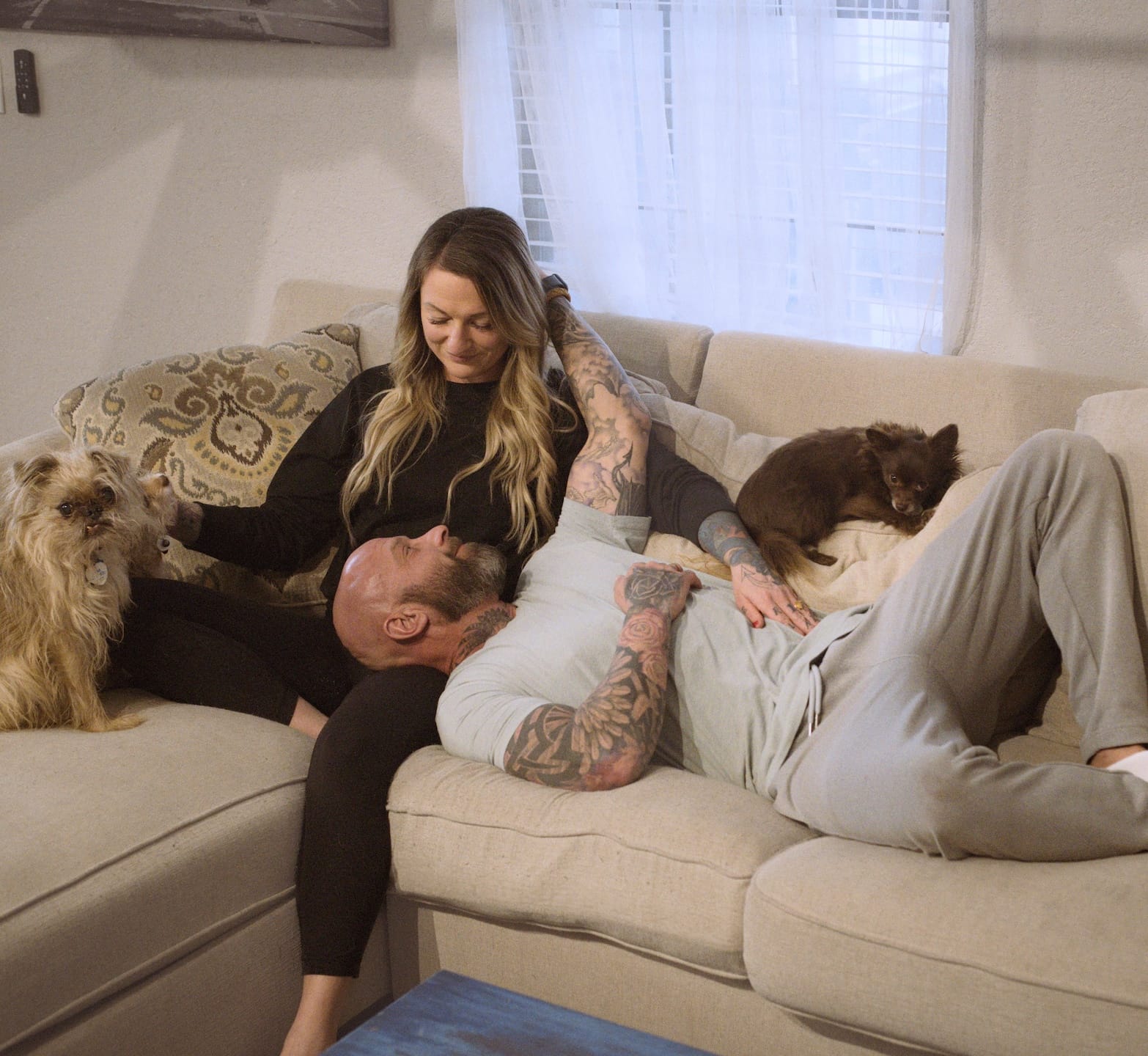
Your marriage is in crisis.
You know you need help, but should you see a marriage counselor or hire a marriage coach? What’s the difference? And which one is the right fit when your marriage is in crisis?
I’m Cass Morrow, and I’ve been on both sides of this question. Kathryn and I tried marriage counseling multiple times during our crisis years. It didn’t work. In fact, it made things worse.
What DID work? Marriage coaching, specifically the kind that focuses on individual transformation rather than couple dynamics.
But here’s the thing: marriage coaching isn’t better than counseling in every situation. Sometimes counseling is exactly what you need. Sometimes coaching. Sometimes both.
This guide will help you understand the critical differences and choose the right path for your marriage.
Direct Answer: Marriage Coaching vs Counseling
Marriage counseling is usually the better fit when both spouses are willing to sit down together, slow the pattern down, and work through communication, trauma, or emotional history with a licensed clinician. Marriage coaching is often the better fit when the marriage is in active crisis, one spouse is checked out, or you need a practical plan you can start even if your spouse will not attend sessions.
For many husbands searching for marriage coaching for men, the issue is not that they need another neutral conversation. It is that their wife is emotionally done, counseling has stalled, or they need to change their part of the pattern quickly and consistently. That is where action-oriented coaching can be useful. It is not a replacement for therapy, mental health care, or safety planning. It is a structured way to take ownership and start changing the daily dynamic at home.
Quick Choice Guide
Use this as a first filter, not a diagnosis:
| If this is true right now | Start here | Why |
|---|---|---|
| Both spouses still want help and can talk honestly in the room | Marriage counseling | A licensed clinician can slow the pattern down, help both spouses process emotions, and work through communication or trauma together. |
| Your wife is emotionally checked out, refuses counseling, or says she wants divorce | Marriage coaching for men | You can work on your side of the pattern first: steadiness, ownership, trust repair, and day-to-day behaviour she can actually observe. |
| There is abuse, coercive control, addiction, untreated mental illness, self-harm risk, or active trauma | Licensed professional or emergency support first | Coaching should not replace therapy, safety planning, medical care, legal advice, or crisis support. |
| Counseling has turned into the same argument every week | Reassess the fit, then consider coaching or a different clinician | The issue may not be more conversation. It may be whether anything changes between sessions. |
| You need both healing and a practical action plan | Counseling and coaching may both fit | Counseling can help process what happened. Coaching can help turn ownership into consistent behaviour. |
The key distinction: counseling often asks, “What is happening between us and why?” Coaching often asks, “What can I take responsibility for today, and what needs to change before trust can return?” Both questions can matter. In a crisis, the order matters.
What Is Marriage Counseling?
Marriage counseling (also called couples therapy) is a form of psychotherapy where a licensed therapist helps couples:
- Improve communication
- Resolve conflicts
- Process emotions
- Heal from trauma or betrayal
- Understand relationship patterns
Key Features of Marriage Counseling:
- Both partners attend together (usually)
- Therapist is neutral (doesn’t take sides)
- Focus on the relationship system (how you interact)
- Past-focused (exploring why you are the way you are)
- Clinical/diagnostic lens (may identify disorders, trauma, attachment issues)
When Marriage Counseling Works
Counseling can be highly effective when:
- Both partners are committed to working on the marriage
- Communication is the primary issue (you love each other but can’t talk productively)
- There’s trauma to process (childhood wounds, infidelity, loss)
- You need a neutral third party to mediate conflict
- Mental health issues are involved (depression, anxiety, PTSD)
Evidence-based couples therapy can be highly useful when both partners are engaged and the therapist is a good fit. Kathryn is Gottman-trained, and we respect clinical work when the situation calls for it. The important qualifier is this: counseling works best when both spouses are still willing to participate honestly.
When Marriage Counseling Fails
Marriage counseling often fails when:
- One partner is checked out or unwilling to participate
- One partner refuses to take accountability (blames the other entirely)
- The therapist is ineffective (too passive, doesn’t give direction)
- You’re seeking action, not introspection (you need a game plan, not more feelings)
- Time is running out (your spouse wants a divorce and needs to see change NOW)
The problem is not that counseling is useless. The problem is fit. If your wife is already emotionally checked out, if one spouse is performing in the room and reverting at home, or if every session becomes another argument about who is right, counseling may not create enough visible change fast enough.
In those cases, communication may not be the real problem. The deeper issues are often trust, respect, emotional safety, resentment, leadership, attraction, or years of broken follow-through.
What Is Marriage Coaching?
Marriage coaching is a goal-oriented, action-focused approach where a coach helps you:
- Identify what’s broken in the marriage
- Create a strategic action plan
- Transform yourself into a high-value partner
- Implement daily behaviors that rebuild attraction and respect
- Navigate high-stakes situations (spouse wants divorce, infidelity, etc.)
Key Features of Marriage Coaching:
- Often works with one partner (you don’t need your spouse’s buy-in)
- Coach is directive (tells you what to do, not just what to explore)
- Focus on individual transformation (becoming someone your spouse wants to be married to)
- Future-focused (less about why, more about what’s next)
- Results-oriented (measurable progress, clear timelines)
When Marriage Coaching Works
Coaching is highly effective when:
- Your spouse refuses to go to counseling (or has checked out)
- You need a strategic game plan (especially if divorce is imminent)
- You’re tired of talking and ready for action
- Communication isn’t the issue: respect, attraction, or emotional safety is
- You want transformation, not just coping skills
Marriage coaching says: “You may not have a communication problem. You may have a leadership problem, a respect problem, an attraction problem, or a trust problem. Let’s work on your part first.”
When Marriage Coaching Fails
Marriage coaching can fail when:
- Deep trauma needs processing (abuse, PTSD, severe attachment wounds)
- Mental health disorders are present (untreated narcissism, borderline personality disorder, addiction)
- You’re not willing to do the work (coaching requires action, not just insight)
- Both partners need joint sessions (some issues require mediated conversations)
Marriage Coaching vs Counseling: The Key Differences
| Factor | Marriage Counseling | Marriage Coaching |
|---|---|---|
| Who attends | Usually both partners | Often one partner |
| Focus | Relationship system | Individual transformation |
| Orientation | Past (why things are broken) | Future (how to fix them) |
| Approach | Exploratory, reflective | Directive, action-oriented |
| Therapist role | Neutral facilitator | Strategic advisor |
| Success depends on | Both partners engaged | One partner committed |
| Best for | Communication issues, trauma | Crisis, checked-out spouse |
| Timeframe | Long-term (months/years) | Short-to-medium term (weeks/months) |
| Cost | $100-$250/session | $200-$500+/session (or program-based) |
Why Marriage Counseling Didn’t Work for Us
Let me share our story.
Kathryn and I tried marriage counseling three times. Each time, the therapist would say things like:
- “How does that make you feel?”
- “Let’s explore your childhood.”
- “Use ‘I’ statements when you communicate.”
Here’s the problem: I was a narcissist in denial. I didn’t need to explore my feelings. I needed someone to tell me, point-blank, “Cass, you’re destroying your marriage. Here’s exactly what you need to do differently.”
And Kathryn didn’t need more communication tools. She needed me to actually change my behavior.
Marriage counseling was too slow, too passive, too focused on understanding instead of action.
We didn’t have time for that. Kathryn was one foot out the door.
What Finally Worked: Marriage Coaching
What saved our marriage was coaching, specifically individual coaching.
I worked with a coach who told me hard truths:
- “Your narcissism is the problem, and you need intensive therapy.”
- “Stop blaming Kathryn. This is on you.”
- “Here’s your daily action plan. Do this for 90 days.”
Kathryn worked with a coach who helped her:
- Set boundaries
- Stop enabling my behavior
- Build her own life outside the marriage
- Decide if she wanted to stay or go
We each did our own work. And as we transformed individually, the marriage transformed too.
This is the model we now use in our programs:
- The Marriage Reset (Cass coaches men)
- The White Picket Fence Project (Kathryn coaches women)
We coach separately because most struggling marriages need individual transformation, not couples therapy.
Should You Do Both Counseling AND Coaching?
Sometimes, yes.
Here’s when to use both:
- Counseling for trauma processing (childhood wounds, infidelity, abuse)
- Coaching for action and strategy (what to do day-to-day to save the marriage)
Think of it this way:
- Counseling heals the past.
- Coaching builds the future.
Both can be valuable. But if you’re in crisis and your spouse wants a divorce, start with the path that helps you take clean, visible action first. For many men, that means coaching before another round of open-ended conversations.
How to Choose: Counseling or Coaching?
Use this decision tree:
Choose Marriage Counseling if:
✅ Both partners are willing and committed ✅ The primary issue is communication ✅ There’s trauma or mental health concerns ✅ You have time (not in immediate crisis) ✅ You want to understand the “why” behind your patterns
Choose Marriage Coaching if:
✅ Your spouse refuses to participate ✅ You’re in crisis (divorce is imminent) ✅ You need a strategic action plan ✅ Communication isn’t the issue: respect, attraction, or trust is ✅ You want transformation, not just insight
Consider Both if:
✅ There’s trauma AND a crisis ✅ You need healing AND strategy ✅ One partner needs therapy for individual issues (addiction, disorders) while the couple needs coaching for relational dynamics
If you are a husband comparing options because your wife is done, start with the crisis-specific guide on what to do when your wife wants a divorce, then review The Marriage Reset if you need men’s marriage coaching instead of another open-ended conversation. If your question is more general or objection-based, the marriage coaching FAQ is the better next stop.
What to Look for in a Marriage Coach
Not all marriage coaches are created equal. Here’s what to look for:
1. Real-Life Experience
Has the coach actually saved their own marriage? Or are they just teaching theory?
Kathryn and I coach from lived experience. We nearly destroyed each other and rebuilt from ground zero. That credibility matters.
2. Specialized Focus
Does the coach specialize in your specific issue?
- Spouse wants divorce? Look for crisis/divorce prevention coaching.
- Sexless marriage? Look for intimacy-focused coaching.
- Narcissism? Look for coaches who understand personality disorders.
3. Clear Framework
Beware of coaches who just “listen and support.” You need a system, a framework, a step-by-step plan.
Our framework is the 3 Pillars: Peace, Partnership, Passion. Every client knows exactly what to work on.
4. Accountability and Support
Good coaching includes:
- Weekly sessions or check-ins
- Clear action steps
- Accountability structures
- Community support (if available)
5. Evidence of Results
Ask for testimonials, case studies, client stories, and a clear explanation of how the work is done. A good coach should be able to show evidence of real client experience without promising a guaranteed outcome.
The Bottom Line: Which Should You Choose?
If your marriage is on the brink, if your spouse wants a divorce, if time is running out, or if you’re the only one willing to work on it, marriage coaching may be the more practical first step.
Counseling can be valuable for healing and understanding. Coaching can be valuable for stabilizing a crisis, creating a plan, and turning insight into behaviour change.
That said, you might need both eventually.
Start with coaching to stabilize the crisis and create a game plan. Then consider counseling to process deeper wounds and build long-term relational health.
FAQ: Marriage Coaching vs Counseling
Is marriage coaching better than marriage counseling?
Not automatically. Marriage coaching is better when you need direction, accountability, and practical behaviour change. Marriage counseling is better when both spouses want a licensed clinician to help them process emotions, trauma, or relational patterns together. The right question is not which field is superior. The right question is what your marriage actually needs now.
What if my wife wants a divorce and will not go to counseling?
That is one of the clearest situations where coaching can help. You cannot force her to attend counseling, and trying to convince her usually makes you look more desperate. Coaching helps you work on your part: emotional steadiness, ownership, trust repair, and how you show up when she is distant. Start with what to do when your wife wants a divorce if that is where you are.
Can one person start changing the marriage?
Yes, one spouse can start changing the marriage dynamic by changing their own patterns. That does not mean you control your spouse’s decision or guarantee reconciliation. It means your reactions, consistency, accountability, and leadership affect the system you both live in. For more depth, read how to save your marriage alone.
Is marriage coaching a substitute for therapy?
No. Coaching is not therapy and should not be treated as mental health care. If there is abuse, addiction, untreated mental illness, active trauma, coercive control, or safety risk, licensed professional support may be necessary. Coaching is for strategy, accountability, and practical relational change.
Why does Morrow Marriage separate coaching for men and women?
Cass and Kathryn coach from both sides of the marriage: Cass works with men in The Marriage Reset, and Kathryn works with women in The White Picket Fence Project. Separate tracks keep the work direct. Each spouse can address their own behaviour, boundaries, resentment, leadership, and patterns without turning every session into another couple’s argument.
Ready to Take the Next Step?
If you’re ready for action-oriented marriage coaching, we’re here to help.
For Men: Join The Marriage Reset with Cass, a program designed for men whose wives are checked out, considering divorce, or emotionally distant.
For Women: Join The White Picket Fence Project with Kathryn, a program for women navigating difficult marriages, narcissistic partners, and the choice between staying and leaving.
Want to learn more? Read our story at About Us or listen to our podcast: Morrow Marriage | Disrupting Divorce.
Marriage counseling has its place. If your marriage is in crisis, choose the path that helps you take responsible action now.
Cass and Kathryn Morrow are marriage coaches who specialize in high-stakes situations. After trying traditional marriage counseling during their own crisis, they discovered the coaching model that helped rebuild their marriage and now teach it through Morrow Marriage.
Prefer Morrow Marriage in Google
Ready to Save Your Marriage?
Pick the path that fits where you are. The work starts here — with or without your spouse.
Related Articles
Discernment Counseling vs Marriage Coaching: When You're Deciding Whether to Divorce
Discernment counseling helps couples decide whether to divorce. Marriage coaching changes the dynamic one spouse can still fix. How to choose when the marriage is on the line.
By Cass & Kathryn Morrow
How to Win My Wife Back: Why Chasing Fails and What Actually Works
Trying to win your wife back? Apologies, gifts, and promises push her further away. Cass Morrow breaks down the shift that makes a distant wife re-open.
By Cass Morrow

How to Rebuild Trust After Infidelity: What Actually Works
Rebuilding trust after infidelity is possible—but only under specific conditions most people don't know about. Cass and Kathryn Morrow walk through what actually works and what doesn't.
By Cass & Kathryn Morrow