




There’s a specific kind of marriage crisis that regular counseling was never built for. One of you is leaning out. One of you is leaning in.
She’s half-out the door. You’d do anything to keep the family together. A weekly couples therapist asks you both to work on the marriage. But she didn’t come to work on the marriage. She came to say, politely, in front of a professional, that she isn’t sure she wants one.
Therapists call this a “mixed-agenda couple,” and discernment counseling was created for exactly this situation. If you’ve been searching the term, here’s what it is, what it isn’t, and how it compares to what we do.
What Discernment Counseling Actually Is
Discernment counseling is a short, structured protocol. Typically one to five sessions, developed by Dr. Bill Doherty at the University of Minnesota for couples on the brink. Its goal is not to fix the marriage. It’s built to get both spouses to a clear decision between three paths:
- Stay the course. Keep the marriage as it is for now.
- Move toward divorce. With more clarity and less carnage.
- Commit to a real repair effort. Typically six months of all-in work, with divorce off the table during that window.
The counselor meets mostly with each spouse separately. They work with the leaning-out spouse on the ambivalence. And they work with the leaning-in spouse on something you should pay attention to: how his panicked reactions keep pushing the decision the wrong way.
It’s a genuinely useful protocol. If both of you would attend, it beats standard weekly counseling for a brink-of-divorce marriage, and we have no interest in pretending otherwise.
What Discernment Counseling Doesn’t Do
Read the description again and notice what’s missing. The repair itself.
Discernment counseling produces a decision. Path one, two, or three. If the answer is path three, you now need the actual work: rebuilding safety, killing the pressure loop, restoring respect and desire. The protocol hands you a committed six-month window and wishes you well. What you fill it with determines everything.
And there’s a harder gap. Discernment counseling still needs the leaning-out spouse to show up and talk about whether to try. A lot of marriages we see are past that point. She won’t attend anything. She’s done with processes. The only person still willing to work is the one reading this article.
Where Marriage Coaching Fits
Marriage coaching, at least the way we practice it, attacks the thing discernment counseling deliberately leaves alone: the dynamic that made her lean out in the first place.
The pattern is depressingly consistent. Years of feeling managed instead of seen. Every conversation becoming the same argument. A bedroom that went quiet long before the word divorce showed up. A husband who provided everything except presence, then panicked and started chasing when she finally went cold.
Coaching works on that directly.
- It starts with one spouse. No ambivalent partner required in the room. The leaning-in spouse changes the dynamic. The leaning-out spouse responds to a marriage that actually feels different. That’s the mechanism behind most of the turnarounds we’ve coached.
- It’s behavioral, daily, and accountable. Reps, not insight. How you respond to coldness, rejection, tests, and conflict, until steady is your default instead of your performance.
- It fills the six-month window. If you did do discernment counseling and landed on path three, this is what path three should contain.
The honest boundary, as always: coaching does not replace clinical care. Abuse, trauma, addiction, and mental-health conditions belong with licensed professionals. A discernment counselor is a licensed clinician, which matters if those are in your picture. We screen for exactly this in our application.
How to Choose
Choose discernment counseling if both of you will attend, the real issue includes genuine ambivalence about whether to even try, and you want a licensed, structured container to reach that decision without another year of drift.
Choose coaching if your spouse won’t attend anything, or the decision is functionally made and the missing piece is the repair. A changed dynamic one person can start building today. That’s what we do, and it’s why our clients are so often the leaning-in spouse starting alone.
Do both, in sequence, if discernment counseling gets you to path three. Take the six-month commitment and fill it with daily, structured behavior change instead of weekly conversation. The window is too expensive to spend on insight alone.
FAQ: Discernment Counseling vs Coaching
How much does discernment counseling cost?
Typically $150 to $400 per session with a certified provider, for one to five sessions. Usually under $2,000 total. It’s short by design. The real cost question is what comes after: a divorce process, or a six-month repair effort that needs its own plan.
Can discernment counseling save a marriage?
Not by itself, and its creators are clear about that. It saves couples from deciding badly. Divorcing from exhaustion, or drifting for another five years. If the decision is “try,” the saving happens in what you do next.
What if I’m the leaning-out spouse?
Then discernment counseling was practically built for you. It’s one of the only formats where your ambivalence gets treated as legitimate instead of as resistance. And if part of your leaning-out is years of feeling unseen or unsafe, Kathryn’s work with wives will make more sense to you than any couples session ever has.
My wife refuses discernment counseling too. Is it over?
No. It means the decision arena has moved out of offices entirely. She’ll decide based on what living with you feels like over the next months. That’s the one arena you fully control, and it’s exactly what the free training teaches you to change.
Is discernment counseling compatible with our faith?
The protocol itself is values-neutral. It slows a divorce decision down and takes it seriously, which most faith traditions welcome. Many providers work comfortably with couples’ faith commitments. If your conviction is that divorce is not an option, say so. Path three exists for exactly that commitment.
Deciding Whether Your Marriage Can Be Saved?
Before you book anything, watch the free training. It shows the dynamic shift that determines whether a leaning-out spouse re-opens. The thing every protocol above is ultimately waiting to see.
Watch the Free Training is free with immediate access.
For men: The Marriage Reset with Cass. For women: The White Picket Fence Project with Kathryn. Both by application: apply here.
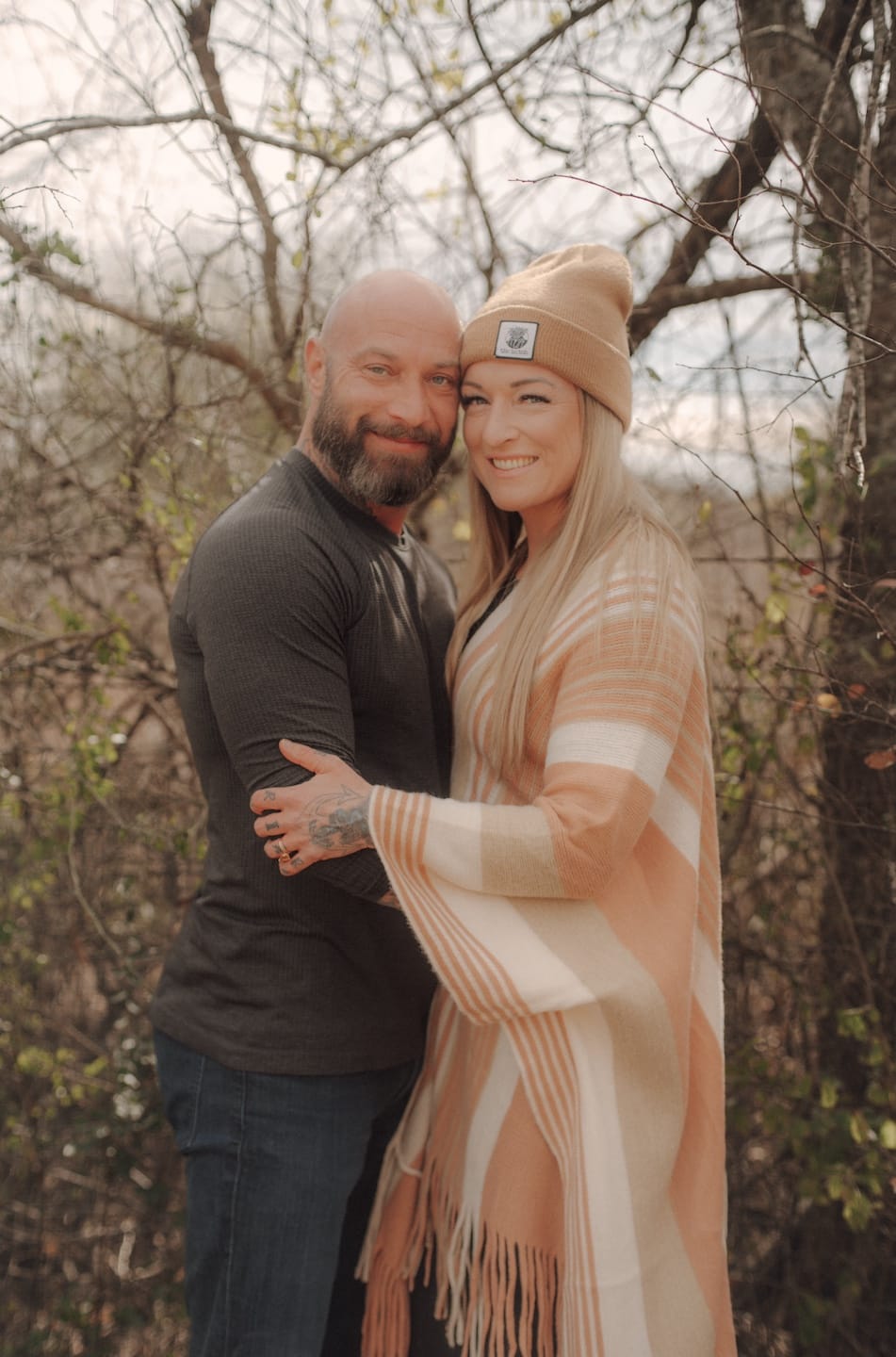
Cass and Kathryn Morrow coach marriages in crisis through Morrow Marriage. Over 8,000 helped in the last four years, most starting with one spouse. They rebuilt their own marriage from seven separations, which is to say they’ve sat on both sides of the leaning-out conversation.
Prefer Morrow Marriage in Google
Ready to Save Your Marriage?
Pick the path that fits where you are. The work starts here — with or without your spouse.
Related Articles

How to Win My Wife Back: Why Chasing Fails and What Actually Works
Trying to win your wife back? Apologies, gifts, and promises push her further away. Cass Morrow breaks down the shift that makes a distant wife re-open.
By Cass Morrow

How to Rebuild Trust After Infidelity: What Actually Works
Rebuilding trust after infidelity is possible—but only under specific conditions most people don't know about. Cass and Kathryn Morrow walk through what actually works and what doesn't.
By Cass & Kathryn Morrow
Narcissist Marriage Help: Can a Marriage with a Narcissist Survive?
Married to a narcissist—or worried you are one? Learn what actually works to save a narcissistic marriage from a coach who's lived both sides.
By Cass & Kathryn Morrow